Block Regular: The Clean Embroidery Font for Modern Creators
There’s a certain satisfaction in seeing a crisp, well-stitched letter emerge under the needle. It’s the foundation of a monogram on a towel, a name on a baby blanket, or a slogan on a company polo. For crafters and small business owners working with embroidery machines, the choice of font is more than a technical decision—it’s the first step in defining the project’s voice. The Block Regular embroidery font answers a very specific need: a typeface that is reliably legible, machine-friendly, and stylistically neutral enough to adapt to countless applications without a fuss.
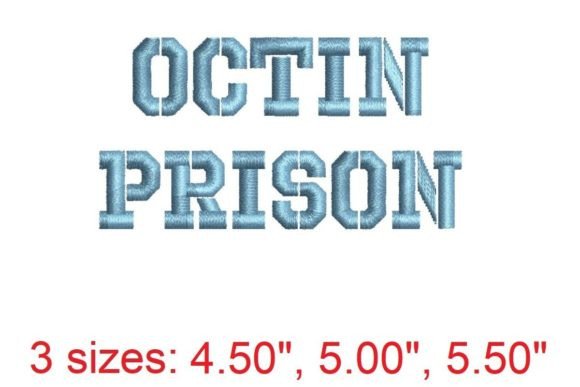
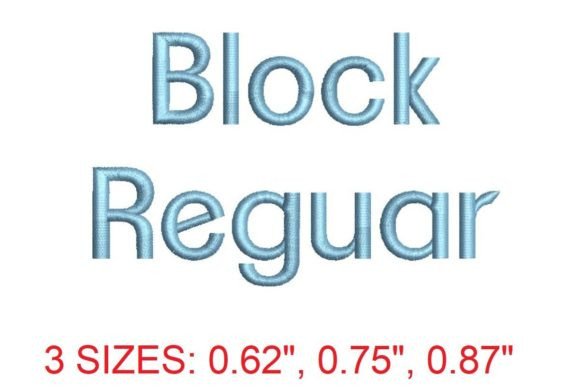
Forget the ornate script that might tangle in dense fabric or the ultra-modern geometric that loses its impact when scaled down. Block Regular is the workhorse. Its clean, sans-serif construction is digitized with precision, ensuring consistent stitch lengths and clean edges whether you’re embroidering a 1-inch initial or a 4-inch banner. This isn’t about flashy trends; it’s about dependable results. The font’s compatibility with the widely-used PES format means it integrates seamlessly with machines from Brother and Babylock, among others, making it an accessible tool right out of the digital box.
The Practical Power of a Classic Typeface
What makes a font like Block Regular so valuable in a creative toolkit? It’s the balance of personality and professionalism. Think of it as the typography equivalent of a well-fitting white t-shirt—it’s foundational, versatile, and elevates everything it’s paired with.
For Brand Identity & Marketing: Consistency is currency. Using Block Regular across your product labels, staff uniforms, and promotional merchandise creates a unified look that builds recognition. Imagine a local bakery using it for aprons and tote bags, or a landscaping company for caps and vehicle signage. The font’s straightforward character ensures your business name is always readable, reinforcing a professional and approachable image.
For Personalized Products & Gifts: This is where the font truly shines. Its clarity makes it perfect for monograms on linens, names on backpacks, or custom quotes on pillows. Because it doesn’t rely on intricate swirls that can fill with fabric or become muddled, it performs reliably on a variety of materials, from cotton twill to plush fleece. You’re selling a product that looks polished and is built to last, stitch after stitch.
Beyond the Monogram: Creative Applications for Digital and Print
While embroidery is its native format, the design principles of Block Regular translate powerfully into the digital realm. A savvy creator can use this as a springboard for a cohesive multi-platform aesthetic.
Consider your social media graphics. The same bold, clean lettering that looks great stitched onto a hat can be used as a display font in Instagram stories or Facebook ads to create a familiar visual thread for your audience. This kind of cross-medium consistency strengthens your brand’s visual identity, making it instantly recognizable whether a customer is scrolling on their phone or holding a physical product in their hands.
For those building a brand from the ground up, think about its use in logo design. A wordmark or logotype set in a font with the characteristics of Block Regular communicates stability and clarity. It’s an excellent starting point for businesses in consulting, fitness, food service, or any field where trust and straightforward communication are paramount. From there, you can develop a full font pairing strategy, perhaps combining it with a complementary serif for body text or a subtle script for accent phrases in your packaging design and web design.
Choosing and Using Your Font Wisely
Not all embroidery fonts are created equal, and selecting one requires a bit of strategy. Before you stitch out a full project, always run a test on a similar fabric scrap. Check the density and pull—does the stitching pucker the material? Is the letter spacing too tight, causing the threads to merge? Block Regular is designed to mitigate these issues, but your specific machine tension and stabilizer choice still play a role.
When pairing it with other typefaces, look for contrast and harmony. Its neutral sans-serif form pairs well with a subtle serif font for longer text or a simple script for a touch of elegance. The goal is to create a hierarchy where Block Regular can handle the bold headlines or primary names, while another typeface supports the details. This principle applies whether you’re designing a wedding invitation, a poster for a local event, or the layout for a blog header.
Finally, always verify the licensing. A premium font like this typically comes with a license that allows for commercial use, which is essential if you’re selling finished products. This is a critical detail for entrepreneurs and small business owners—you need the freedom to create and sell without legal ambiguity. The included file formats and the comprehensive PDF showing all 156 characters are your roadmap to understanding exactly what you have and how you can use it.
Ultimately, the right tools remove barriers between your idea and its execution. A well-executed, versatile embroidery font does just that. It handles the technical heavy lifting, letting you focus on the design, the stitch, and the story you want to tell. Whether it’s elevating your product line or personalizing a gift, it’s about achieving that flawless, professional finish that makes someone stop and appreciate the craftsmanship in every single letter.